


internet of Things
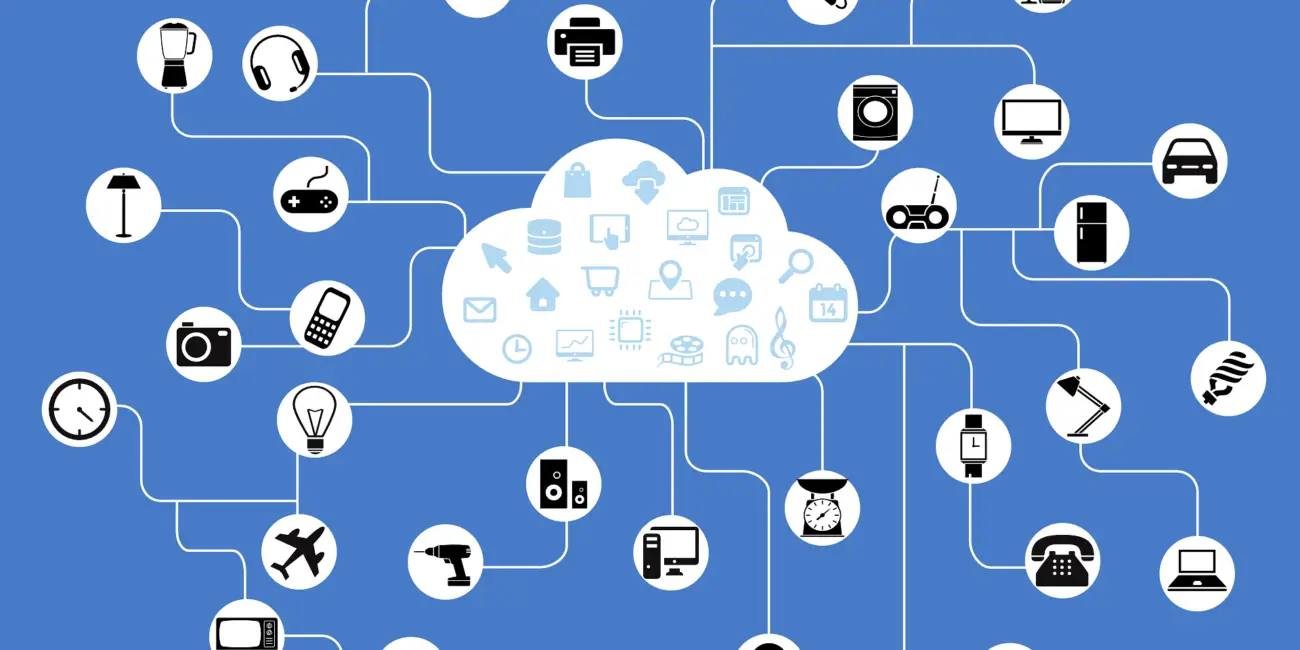
The dawn of the 21st century has witnessed a remarkable technological evolution that has fundamentally transformed how we interact with the world around us. At the forefront of this change is the Internet of Things (IoT), a concept promising to revolutionize industries, enhance daily life, and reshape economies. The Internet of Things refers to a network of interconnected devices embedded with sensors, software, and other technologies that enable them to connect and exchange data with one another over the internet. From smart homes and wearable health technologies to automated manufacturing processes and smart cities, the growth of IoT presents both significant opportunities and formidable challenges.
Opportunities Presented by IoT
- Enhanced Efficiency and Productivity
One of the crucial advantages of IoT is its ability to optimize operational efficiency across various sectors. In manufacturing, IoT devices can monitor machinery performance in real-time, allowing for predictive maintenance that prevents costly downtimes. Supply chain management benefits from IoT-enabled tracking devices that provide real-time updates on inventory levels and shipment statuses, enabling businesses to reduce waste and enhance customer satisfaction.
- Improvement in Quality of Life
IoT technologies have the potential to elevate the quality of life for individuals by promoting convenience, health, and safety. Smart home devices, such as thermostats, security cameras, and lighting systems, enable users to monitor and control their environments from remote locations. Wearable technology, particularly in healthcare, allows individuals to track vital signs, thereby facilitating proactive health management. With IoT, elderly individuals can live independently while benefitting from remote health monitoring systems that alert caregivers in emergencies.
- Smart Cities and Sustainable Development
Cities around the globe are increasingly integrating IoT solutions to create more sustainable environments. Smart traffic systems can analyze vehicular data to alleviate congestion and reduce emissions, while smart waste management systems optimize waste collection routes based on real-time data about bin fill levels. Such urban innovations not only enhance the quality of life but also help cities better manage their resources and reduce their carbon footprints.
- Economic Growth and Job Creation
The growth of IoT is expected to spur economic development through innovation and market expansion. The rise of IoT-related companies and startups will create new job opportunities in various fields, including data analysis, cybersecurity, and device manufacturing. Furthermore, IoT has the potential to foster entire new markets, such as smart agriculture, that can contribute to economic sustainability.
- Data-Driven Decision Making
IoT generates vast amounts of data that, when analyzed, can provide valuable insights for businesses and organizations. By leveraging this data, businesses can better understand consumer behaviors, optimize product offerings, and tailor marketing strategies accordingly. Data-driven decision-making significantly enhances strategic planning, enabling companies to respond swiftly to market changes.
Challenges Associated with IoT
Despite the promising opportunities provided by IoT, several challenges exist that must be addressed to ensure the sustainable growth of this technology.
- Security and Privacy Concerns
The interconnected nature of IoT devices poses significant security and privacy risks. Each device represents a potential entry point for malicious hackers seeking to compromise personal data or disrupt operational integrity. High-profile cyberattacks have once again highlighted the vulnerabilities of IoT systems. Effective measures must be implemented to secure devices and data, including strong encryption, regular software updates, and adherence to best practices in cybersecurity.
- Interoperability Issues
As the IoT ecosystem expands, the lack of standardization among devices can create compatibility issues. Different manufacturers utilize varying protocols and technologies, complicating the integration process. This lack of interoperability can limit the potential of IoT solutions, necessitating industry-wide collaboration to establish common standards that facilitate seamless communication among devices.
- Data Overload and Analysis Challenges
While the generation of vast quantities of data is one of IoT’s strengths, it can also lead to data overload. Organizations often struggle to process, analyze, and derive actionable insights from the sheer volume of data produced by IoT devices. Developing effective data management strategies and employing advanced analytics tools will be essential to leverage IoT data efficiently.
- Regulatory and Compliance Issues
As IoT continues to grow, so does the pressing need for appropriate regulations to protect consumers and businesses alike. Legislation currently struggles to keep pace with advancements in technology, leading to gaps in regulations surrounding data privacy, security standards, and ethical usage of IoT data. Cooperation between governments, industry stakeholders, and consumers will be necessary to shape appropriate regulatory frameworks.
- Dependency on Internet Connectivity
The effectiveness of IoT devices relies heavily on robust internet connectivity. In areas with limited or unreliable internet access, the full potential of IoT cannot be realized. Furthermore, the network overload caused by a growing number of connected devices could lead to slowdowns, negatively impacting the performance of IoT applications.
Conclusion
The rise of the Internet of Things offers unparalleled opportunities for enhancing efficiency, improving quality of life, promoting economic growth, and fostering sustainable urban environments. However, to realize these benefits fully, stakeholders must address significant challenges, including security breaches, interoperability issues, data overload, regulatory environments, and infrastructure needs. By investing in research, adopting standardized protocols, and collaborating across sectors, society can harness the full potential of IoT, paving the way for transformative advancements that improve not just individual lives but the collective experience of humanity in the digital age. The future of IoT is promising, and its journey has only just begun.

Other Articles

The Pros and Cons of Using Gaming Technology in Education
The AI Revolution: Why Human Skills Are More Important Than Ever
