The Future of Care: Embracing Technology with Caution
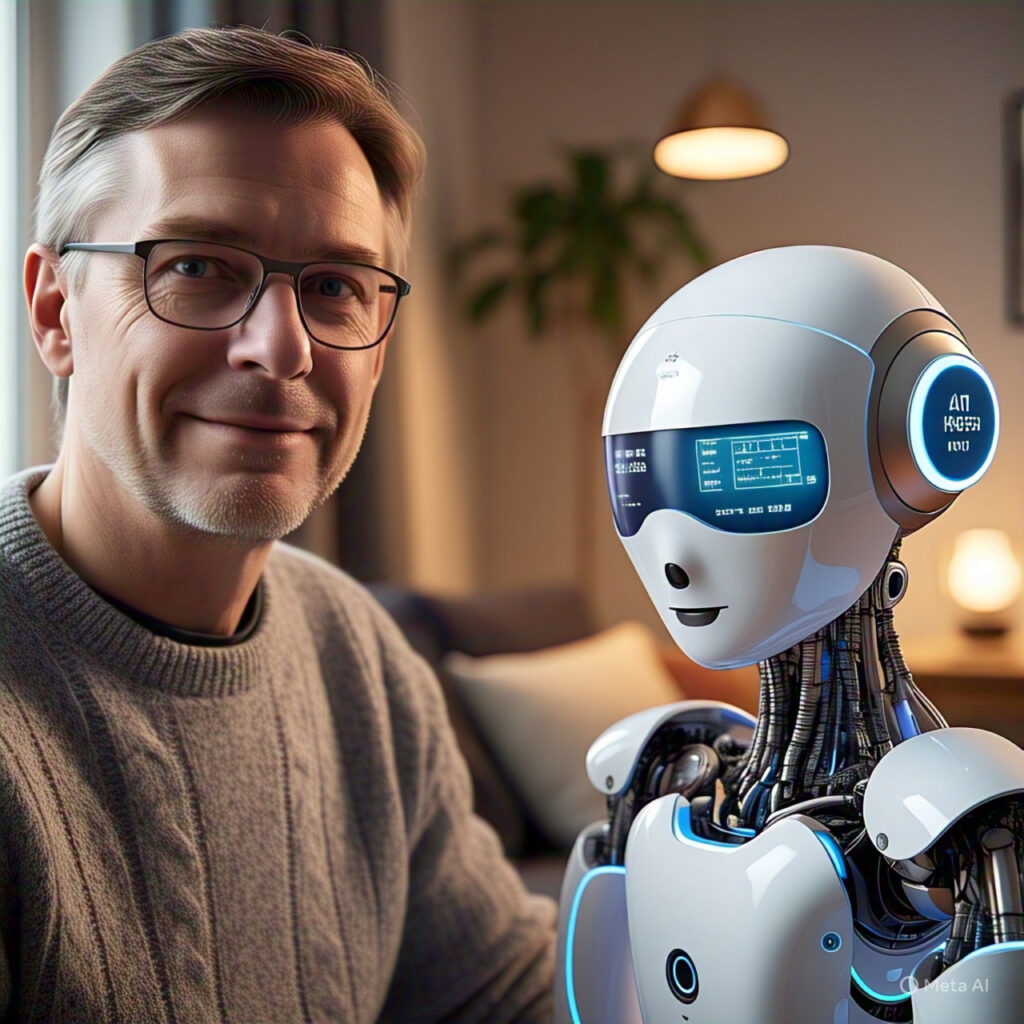
The care sector is undergoing a technological transformation, with innovations such as robots for training carers, sensors that monitor residents as they sleep, and AI-powered apps that detect pain. These advancements promise to enhance the quality of care for the UK’s growing elderly population, but they also raise important questions about ethics, privacy, and the role of human touch in caregiving.
The Rise of AI and Robotics in Care
As the UK faces an aging population-projected to reach 13.7 million people aged 67 or over by 2032-the demand for high-quality care is increasing rapidly. Technology is stepping in to help bridge the gap, especially as the sector struggles with staff shortages and a heavy reliance on overseas workers. Tools such as IoT sensors can unobtrusively monitor residents’ movements, sleep patterns, and even environmental factors like humidity and temperature. This data enables carers to intervene promptly, potentially preventing falls or health complications before they escalate.
AI-driven applications, like the Painchek app, are revolutionizing how carers assess non-verbal residents for pain. By scanning facial expressions and analyzing behavioral cues, these tools provide instant feedback, helping staff and doctors tailor pain management plans more effectively. Similarly, robots developed for training purposes can simulate patient reactions, allowing carers to practice and refine their skills in a safe, controlled environment.
Benefits of Technology in Care
- Proactive Intervention: AI and sensors can detect issues such as falls or infections early, reducing hospital admissions and improving outcomes for residents.
- Personalized Care: Data-driven insights allow for tailored care plans that address individual needs, enhancing residents’ quality of life.
- Efficiency: Automating routine tasks frees up staff to focus on direct, compassionate care.
- Support for Carers: AI can ease the burden on caregivers, promoting their well-being and enabling them to provide better support.
Ethical and Practical Concerns
Despite these advantages, experts urge caution. Dr. Caroline Green from the University of Oxford emphasizes that “AI can only be part of the solution but not the whole solution.” She highlights risks such as algorithmic bias, which could amplify discrimination or stereotyping, and concerns around data privacy and consent. There is currently no official government policy guiding the use of AI in social care, leaving many questions about accountability and oversight unanswered.
Other key ethical issues include:
- Dehumanization of Care: Replacing human interaction with machines could lead to social isolation and a loss of empathy in care settings. Some residents may feel uncomfortable or even distressed by robotic caregivers, underscoring the need for balance between technology and human touch.
- Data Privacy: Sensitive personal data must be protected, with strict controls over who can access and use it.
- Informed Consent: Residents and their families should have the choice to opt out of AI-driven care if they prefer traditional methods.
- Bias and Fairness: AI systems may inadvertently reinforce existing inequalities if not carefully designed and monitored.
The Path Forward: Enhancing, Not Replacing, Human Care
Leaders in the sector stress that technology should be viewed as a tool to enhance, not replace, the work of professional carers. As Professor Lee-Ann Fenge of Bournemouth University notes, “It needs to be seen as a tool that enhances the work that is already happening.” The British Association for Social Workers (BASW) also calls for clear guidance and robust policy frameworks to ensure AI is used ethically and effectively in social care.

The UK government has signaled its support for innovation, adopting a “test and learn” approach to funding AI in public services. However, experts agree that continued investment in human carers is essential to maintain the empathy, understanding, and personal connection that technology cannot replicate.
“We need to make sure that we don’t just invest in AI to take over care-giving but that we keep on investing in people, in professionals who will be able to provide that care.” – Dr. Caroline Green
Conclusion
The integration of AI and robotics in the care sector offers significant opportunities to improve outcomes, efficiency, and the well-being of both residents and carers. However, it is crucial to proceed thoughtfully-balancing innovation with ethical safeguards, privacy protections, and a steadfast commitment to human dignity. The future of care will depend not just on what technology can do, but on how we choose to use it.