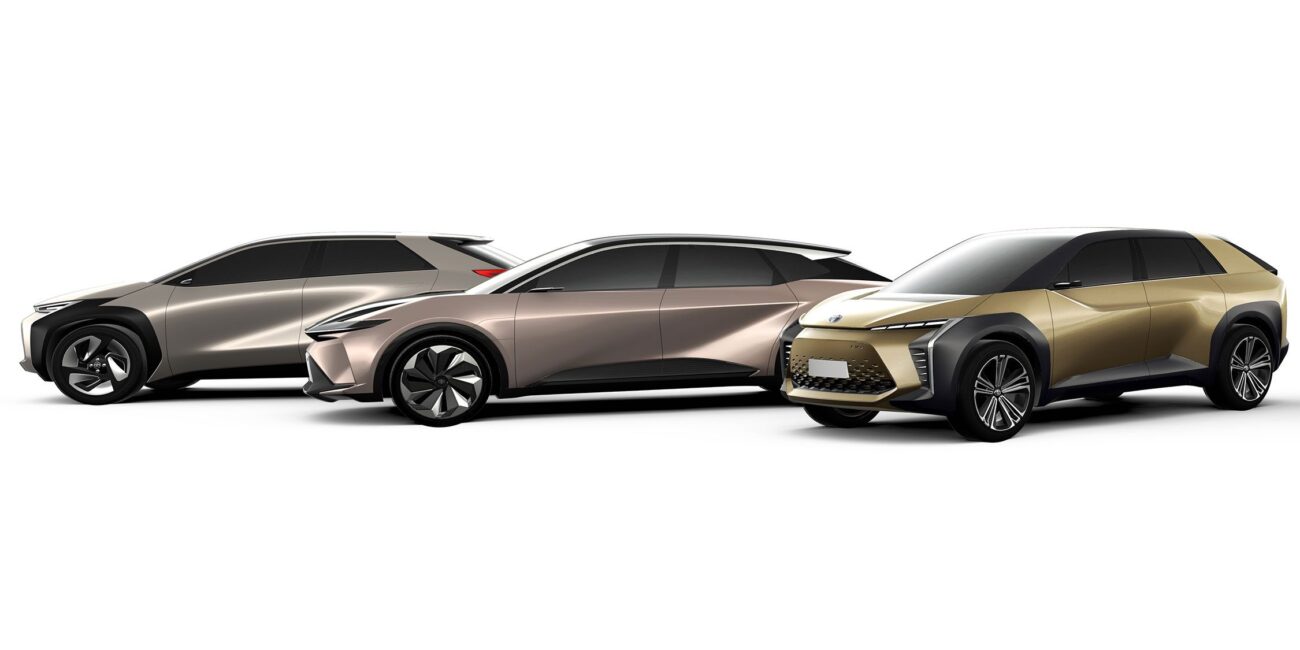
Toyota has announced a major breakthrough in electric vehicle (EV) technology, claiming its new solid-state battery will deliver up to 800 miles per charge and is set to debut in production vehicles as early as 2027. This innovation could redefine the EV landscape, addressing key limitations of current battery technology and making electric cars more practical, efficient, and accessible.
What Are Solid-State Batteries?
Solid-state batteries use a solid electrolyte instead of the liquid or gel electrolytes found in conventional lithium-ion batteries. This change brings several transformative advantages:
- Higher energy density, enabling longer driving ranges
- Faster charging times
- Enhanced safety due to lower risk of fires
- Reduced size and weight of battery packs
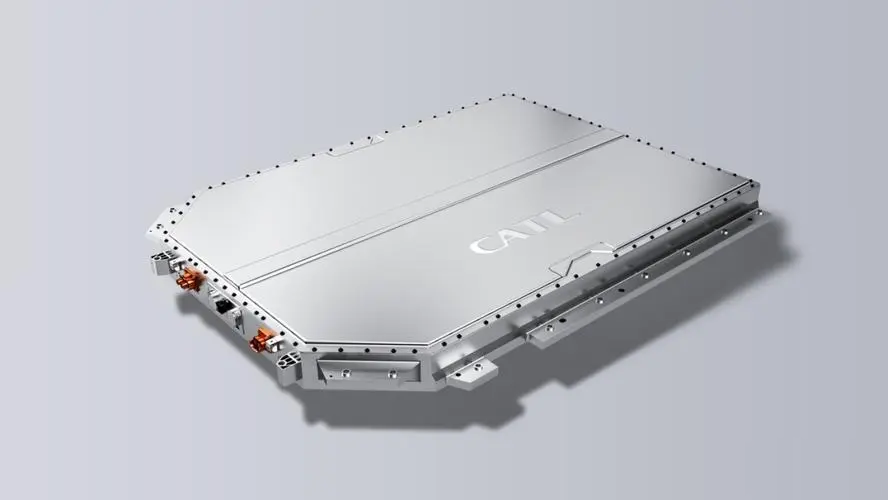
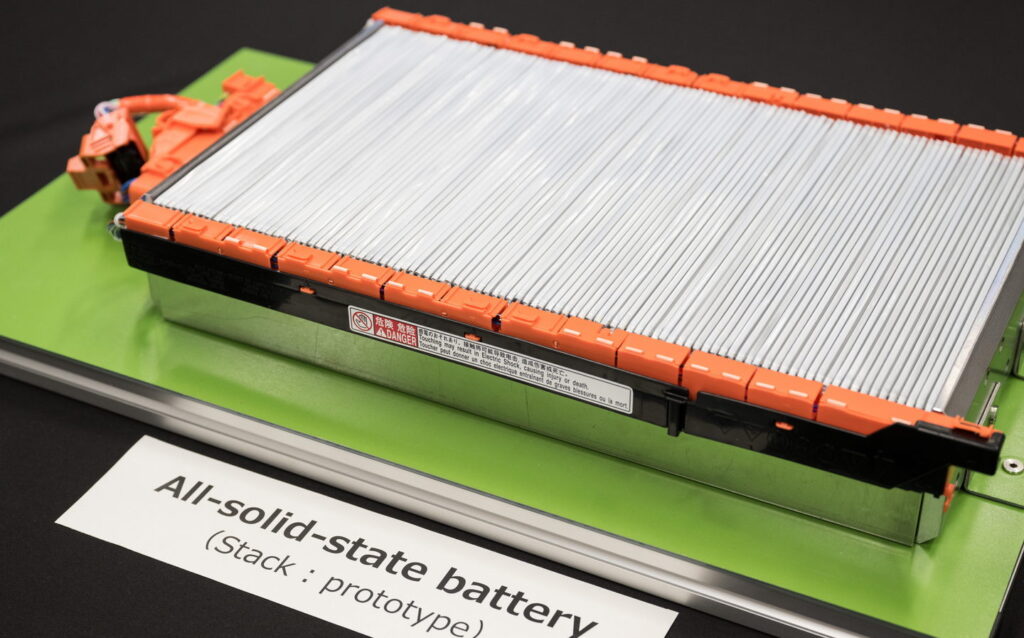
Key Features of Toyota’s Solid-State Battery
- Exceptional Range: Toyota claims its solid-state battery will enable EVs to travel up to 745–800 miles (1,200 km) on a single charge, surpassing most current internal combustion engine (ICE) vehicles and nearly doubling the range of today’s best lithium-ion EVs.
- Ultra-Fast Charging: The battery can reportedly be charged from 10% to 80% in 10 minutes or less, making the charging experience comparable to refueling a gasoline car.
- Compact and Lightweight: Advances in materials and manufacturing could halve the size, cost, and weight of EV batteries, making vehicles lighter and more efficient.
- Improved Safety and Durability: Solid electrolytes are less flammable and more tolerant of high voltages and temperatures, reducing fire risk and increasing battery lifespan.
Toyota’s Roadmap and Timeline
- 2027–2028 Launch: Toyota aims to begin mass production and commercial deployment of solid-state batteries in EVs by 2027 or 2028.
- Production Scaling: Initial models may be hybrids, with full battery-electric vehicles (BEVs) following as production scales and costs decrease.
- Collaboration: Toyota is partnering with Panasonic to refine the technology and accelerate its rollout.
- Cost Reduction: Simplified production processes are expected to bring solid-state battery costs in line with or below current lithium-ion batteries, further driving EV adoption.
Impact on the EV Market
Solid-state batteries are widely considered the “holy grail” of EV technology. Toyota’s breakthrough could:
- Dramatically extend EV driving range, eliminating range anxiety
- Slash charging times, making EVs more convenient for long trips
- Lower vehicle weight and cost, improving performance and affordability
- Make EVs safer and more durable, reducing maintenance and replacement needs
Comparison: Solid-State vs. Lithium-Ion Batteries
| Feature | Solid-State (Toyota) | Current Lithium-Ion |
|---|---|---|
| Range per Charge | 745–800 miles | 300–400 miles (typical) |
| Charging Time | 10 minutes (10–80%) | 30–60 minutes (fast charge) |
| Energy Density | Up to 2x higher | Standard |
| Safety | Higher (non-flammable) | Lower (risk of fire) |
| Weight & Size | Up to 50% less | Standard |
| Production Cost | Targeting lower/similar | Current baseline |
| Commercial Debut | 2027–2028 (projected) | Already in mass use |
Challenges and Outlook
While Toyota’s announcement marks a significant milestone, mass production of solid-state batteries remains complex and expensive. Durability and scalability have been longstanding hurdles, but Toyota claims to have made key breakthroughs in both areas, giving the company confidence to move toward commercialization.
Industry analysts view this as a potential game-changer that could help Toyota close the gap with EV leaders like Tesla and accelerate the global shift to electric mobility.
Conclusion
Toyota’s solid-state battery promises to revolutionize electric vehicles, offering up to 800 miles of range, ultra-fast charging, and improved safety and efficiency. With a targeted debut in 2027, this technology could set a new benchmark for EV performance and convenience, making electric cars a more compelling choice for drivers worldwide.